Hi reader, after a relatively calm start to the year, all hell seems to have broken loose over the last few weeks. May tends to be a busy time of the year - launches, conferences, personal events, meet-ups, plus better weather and longer days. How do we make sure that our businesses don't fall short in this period? And how do we still drive our communications forward without losing sight of the larger goal?
That's what we'll look at today: how to handle communications in times of business and overwhelm.
Embrace Seasonality
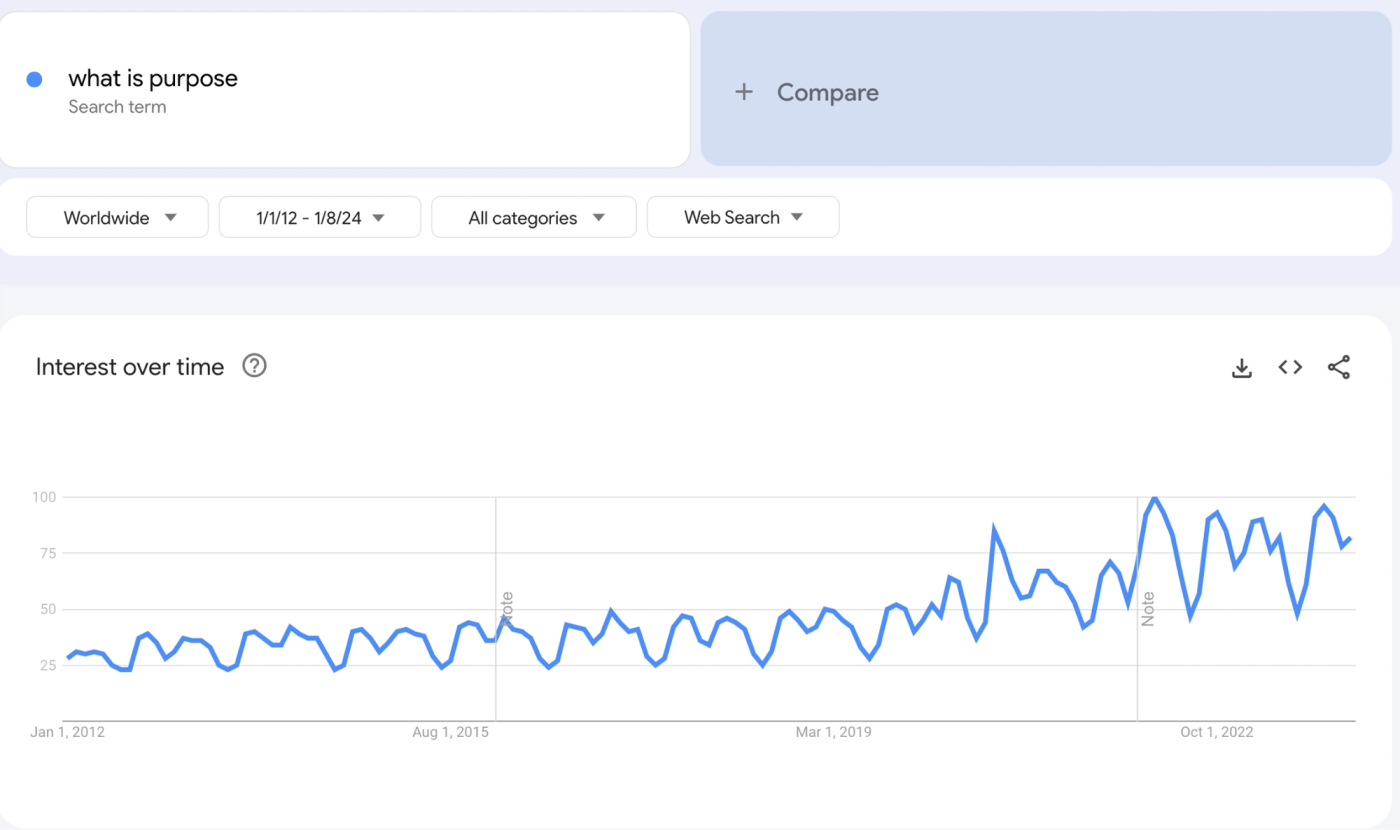
Let's start with the obvious - it's okay to have frantic periods and ones that are slow. Recognizing the natural rhythm of your business and life can be incredibly liberating.
Every business experiences seasonality - periods of high and low activity that follow predictable patterns. For some, it's literal seasons (think retail during holidays), while for others, it's industry-specific (conference season, end-of-fiscal-year, etc.).
Instead of fighting against these cycles, work with them:
Map your seasons: Track when you historically experience peaks and valleys throughout the year
Plan resources accordingly: Anticipate when you'll need more support or when you can schedule deeper strategic work
Build buffers into busy times: Add 30% more time to deadlines during peak seasons
Use quieter periods strategically: Schedule bigger planning sessions and creative work during predictable lulls
When you accept seasonality as natural rather than seeing it as a problem to solve, you can design your communications strategy to accommodate these ebbs and flows.
Prioritize Ruthlessly
During high-activity periods, not everything can remain a priority. This is where a simple prioritization matrix becomes invaluable:
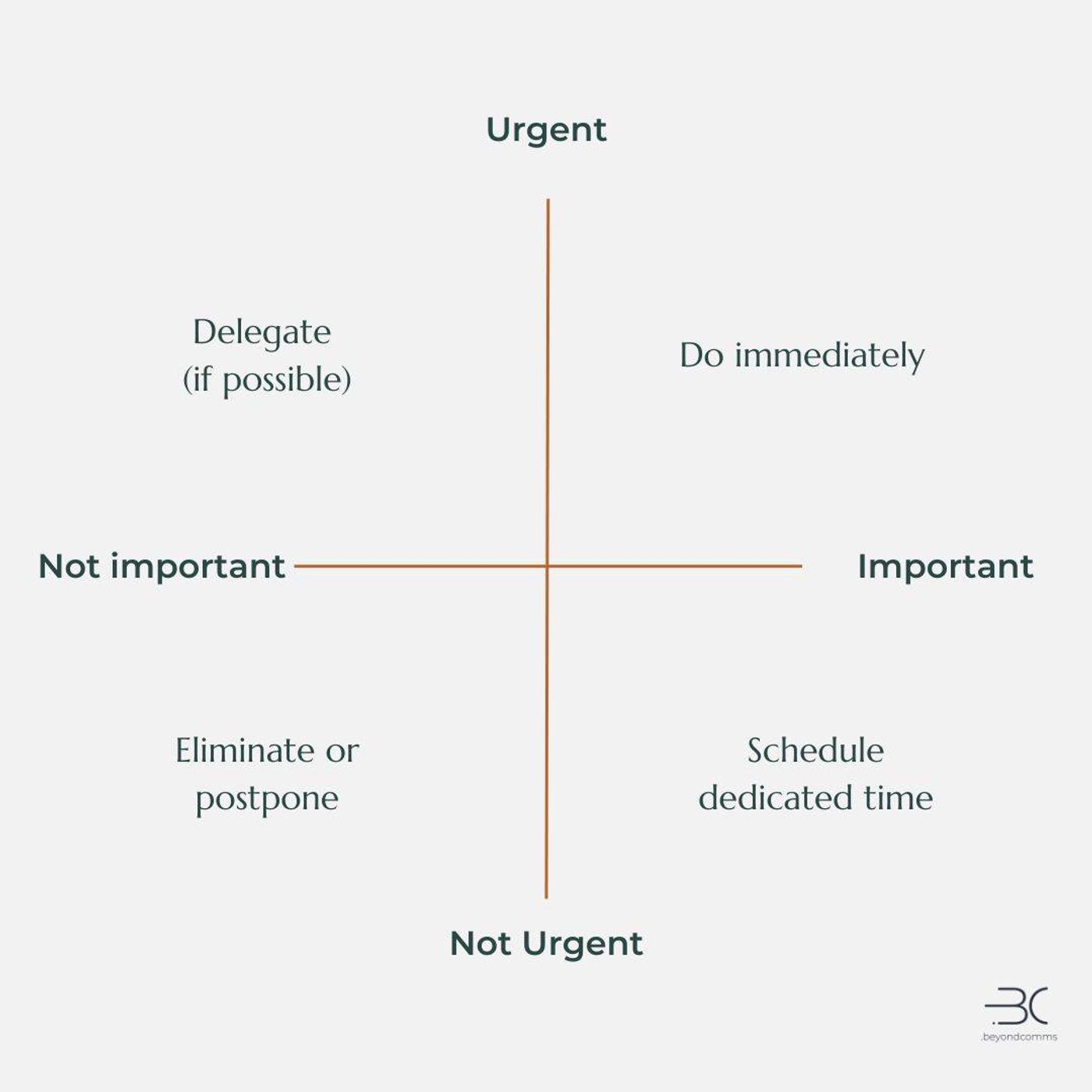
For communications specifically, consider these questions:
Which communications directly impact revenue or key relationships?
What messages must go out during this specific timeframe?
Which audiences are most critical right now?
What content can be simplified, repurposed, or postponed?
Remember: saying yes to one thing means saying no to something else. During busy periods, it's better to do fewer things well than many things poorly.
Plan as much as possible
When you know busy periods are coming (and they always do), preparation becomes your greatest ally:
Create content banks: Develop evergreen content that can be deployed when you're too busy to create from scratch
Establish templates: Design reusable formats for common communications like updates, announcements, or follow-ups
Build modular content: Create pieces that can be mixed and matched for different channels and purposes
Automate what you can: Schedule social posts, email campaigns, and other predictable communications
During especially busy times, you won't have the bandwidth to be as nimble or responsive as usual. Having systems in place ensures you maintain your presence even when your attention is divided.
Pause intentionally
No matter how busy things get, set aside time to evaluate and strategize - this applies to your personal life too - whether you are in a relationship or have friends, set aside time to spend with them.
It might seem counterintuitive, but scheduled pauses become even more critical during hectic periods:
Block 30-minute weekly reviews: Assess what's working, what's not, and what needs adjustment
Schedule strategic breaks: Even 15 minutes of focused reflection can prevent weeks of misaligned effort
Create meeting-free zones: Designate time blocks where you can execute without interruption
This principle extends beyond business. No matter how busy things get, set aside time for the people who matter in your life. Maintaining these connections not only supports wellbeing but often provides the perspective needed to make better business decisions.
Be consistent, not creative
During extremely busy times, creativity sometimes needs to take a backseat to consistency. That's completely fine.
Trust is built through reliability, not necessarily novelty. Your audience would rather hear from you regularly in a simple format than sporadically in elaborate ones.
Some practical approaches:
Simplify your message: Focus on one clear point rather than complex narratives
Use proven formats: Rely on content structures that have worked before
Maintain voice and tone: Even simplified content should sound like your brand
Communicate transparently: If you're scaling back temporarily, consider letting your audience know
Remember that consistency builds trust, while silence creates uncertainty. Finding sustainable ways to maintain your communications presence - even in simplified form - preserves the relationships you've worked so hard to build.
The Power of "Good Enough"
During peak seasons, perfectionism becomes your enemy. Embracing "good enough" isn't settling - it's being strategic about where you invest your limited energy.
Ask yourself:
Is this communication serving its core purpose?
Does it maintain our standards for accuracy and clarity?
Will our audience get what they need from it?
If you can answer yes to these questions, the communication is likely ready to go, even if it's not your most creative or polished work.
Busy periods will always be part of business life. By embracing seasonality, prioritizing ruthlessly, planning ahead, pausing intentionally, and focusing on consistency over creativity, you can maintain effective communications even during the most hectic times.
What strategies do you use to maintain your communications during busy periods? Reply to this email and let me know.